[Creative Treasure Box EP9] Multifunctional Reading Bookshelf! Experience Reading Comfort!

![[Creative Treasure Box EP9] Multifunctional Reading Bookshelf! Experience Reading Comfort!](/content/images/size/w2000/2026/01/419030_0.jpg)
Hello everyone, I'm Teacher Sloth! In this series, Teacher Sloth will share some block creations, some may be complex mechanical designs, while others may be simple model creations, so that every time you click on an article, it's like opening a "Creative Treasure Box," always full of unexpected surprises!
In an era where attention spans are shrinking and short videos dominate, developing a habit of reading has become an important trend. Reading helps us slow down and focus long enough to finish an entire book, effectively improving our concentration. As we read more, we become more open to diverse perspectives and are able to build a broader and more unique worldview.
Thanks to years of promotion, e-readers — which allow you to carry a large library of books and offer long battery life — have captured people’s hearts with their convenience and versatility, becoming an essential part of the modern reading journey.
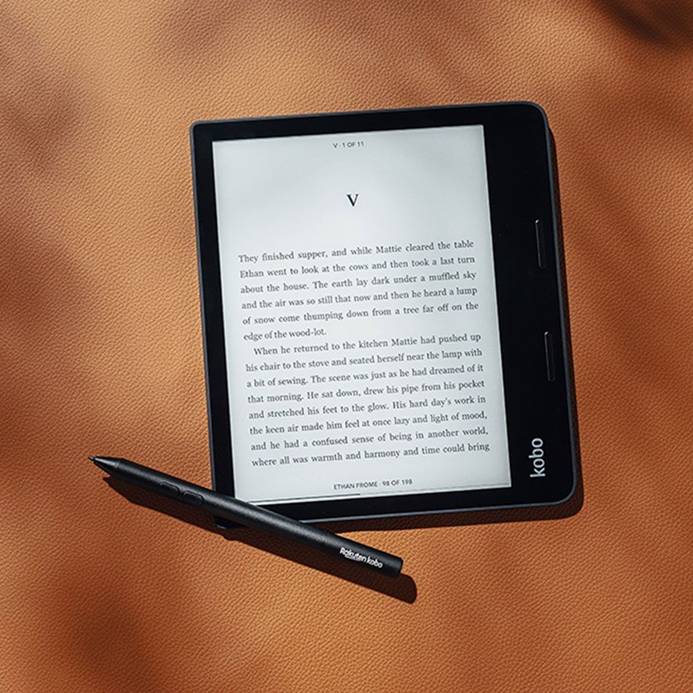
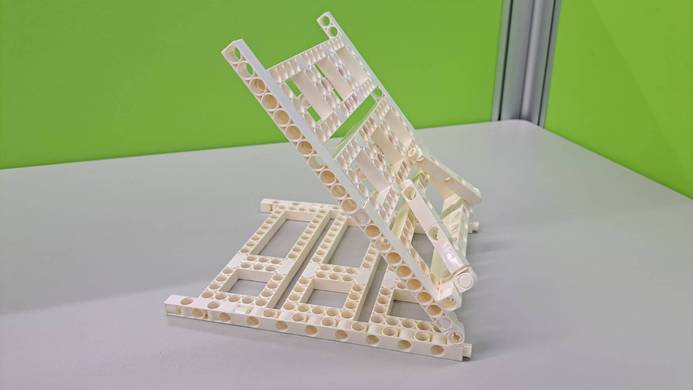
Today, let’s build a versatile bookshelf that not only holds your e-reader, tablet, or books, but also allows you to adjust the angle freely for the most comfortable reading experience!
★ Assembly Steps
Platform
The following is a list of components that the platform needs to prepare.
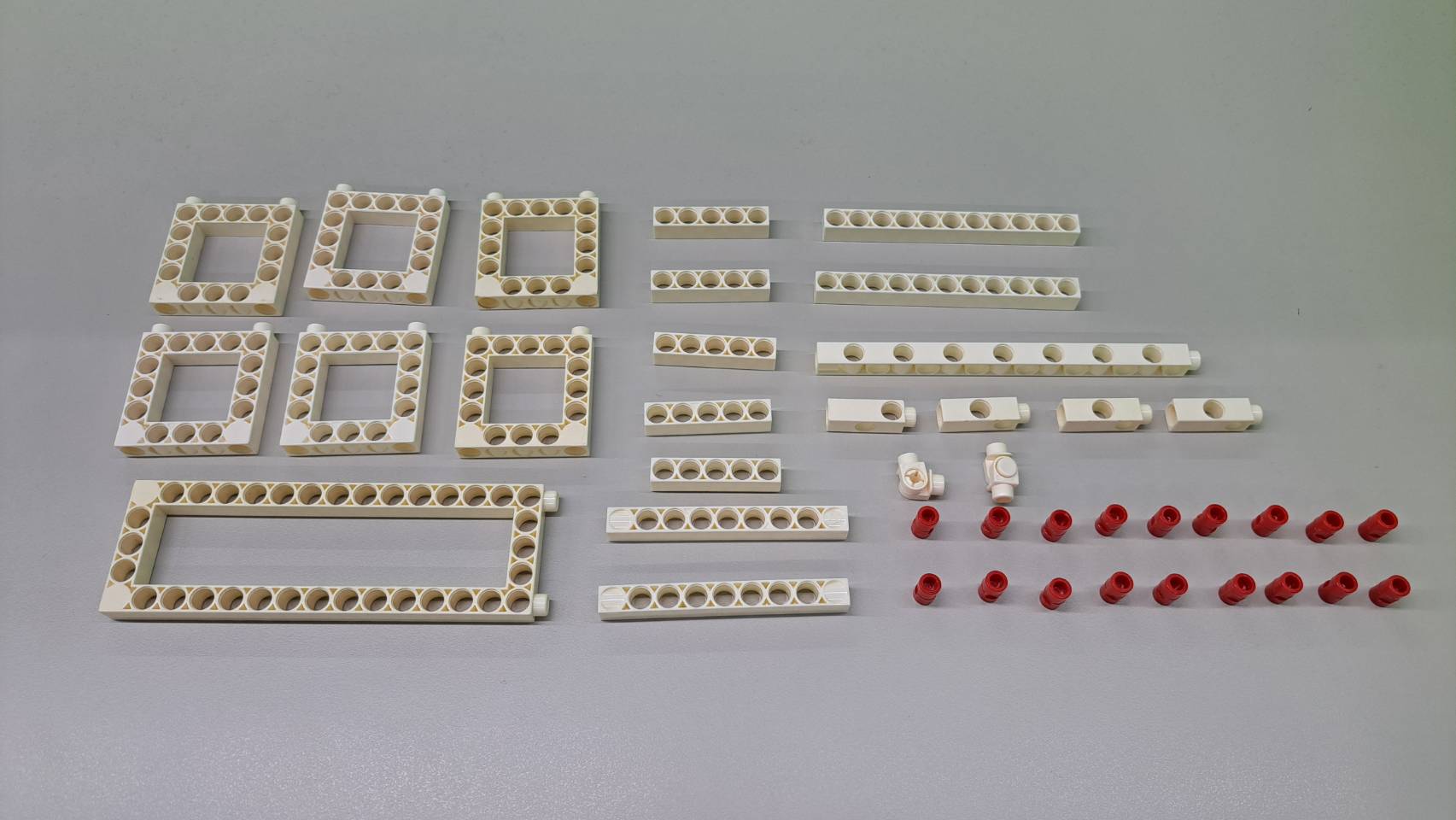
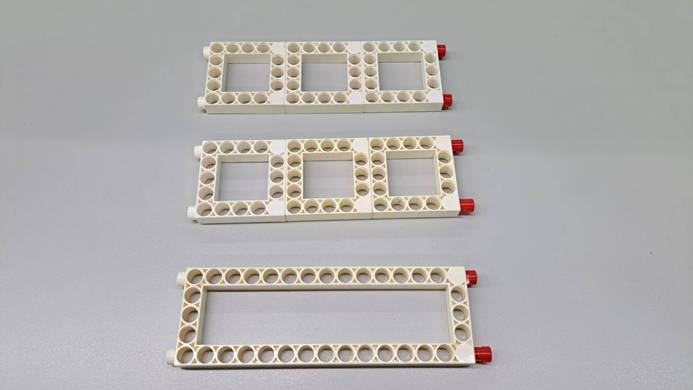
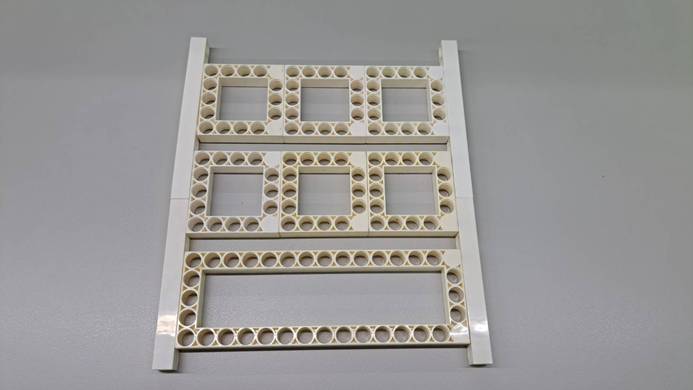
1. Connect the six C-5×15 FRAME into two 5x15 rectangular frames and place the C-LONG PEG at the back end.
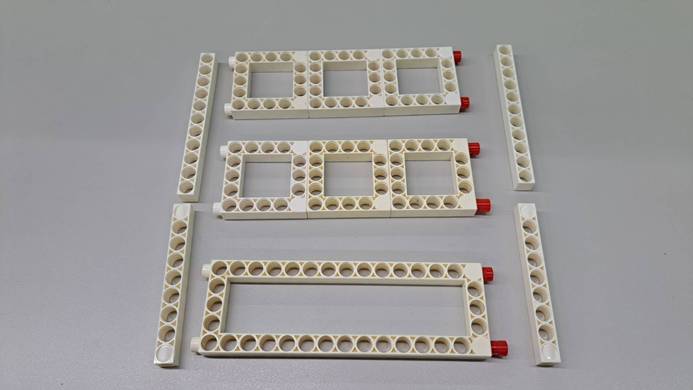
2. Then place the C-11 HOLE ROD and the C-9 HOLE ROD FRONT CLOSED on the left and right sides, making sure they are not reversed!
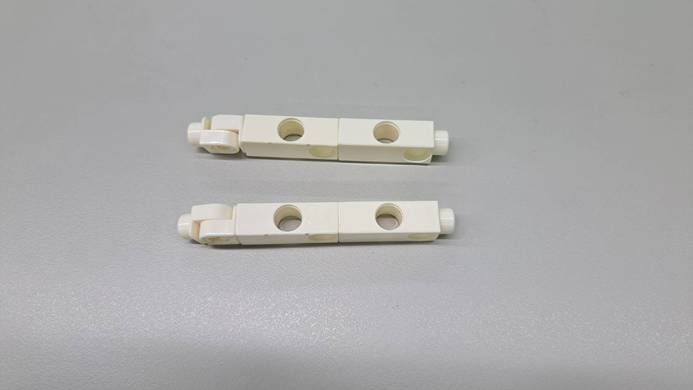
3. Next, we make the swivel clamp. First, connect the two C-3 HOLE DUAL ROD with the C-HINGE as shown in the figure below.
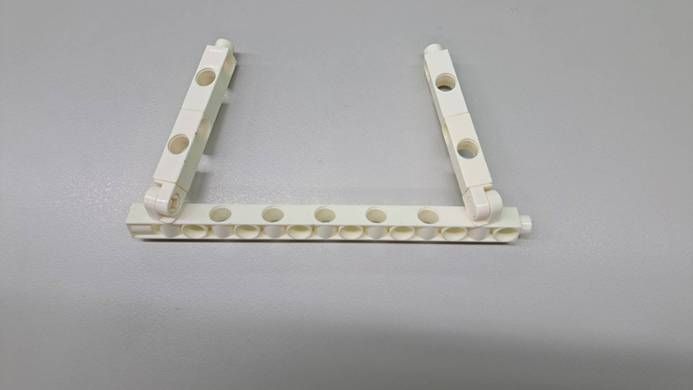
4. Once completed, place it in the holes on the left and right sides of the C-15 HOLE DUAL ROD and connect it to step 2 with C-LONG PEG.
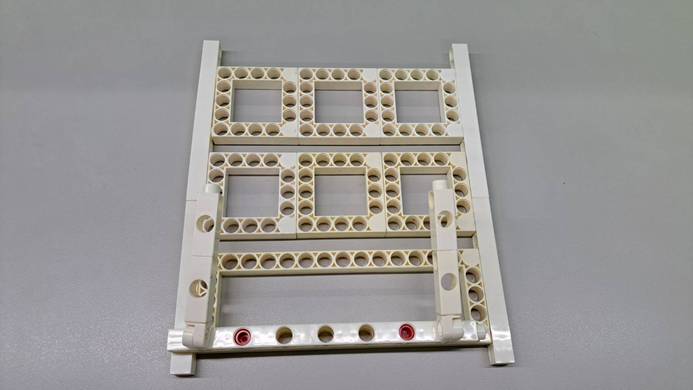
5. Next is the groove on the back. First prepare five C-5 HOLE ROD, put C-LONG PEG on two of them on the left and right sides, and put the remaining three in the second and fourth holes, as shown in the figure below.
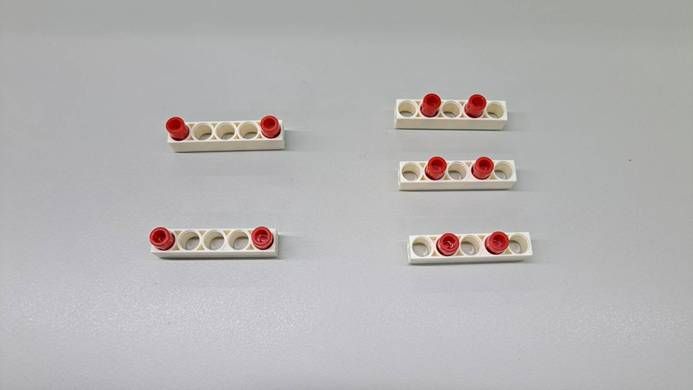
6. Place these rods on the back of the squares on the first and second layers, with one row between each rod to create different angles.
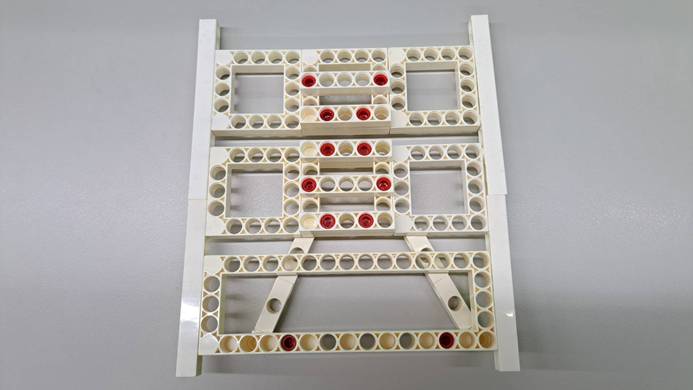
Base Assembly
The following is a list of components required for the base.
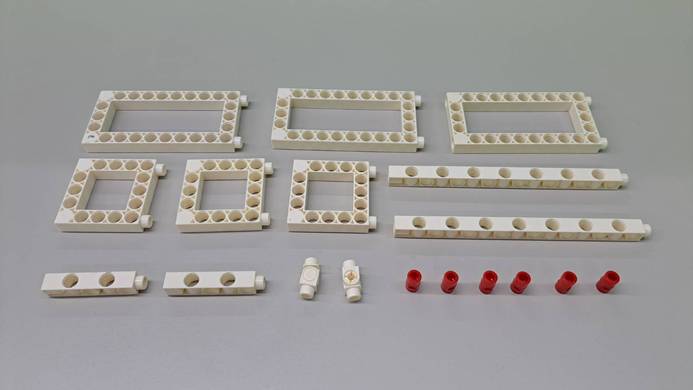
1. Connect the C-5×5 FRAME and the C-5×10 FRAME as shown below. Be sure to check the direction so that there are five empty holes on each side.
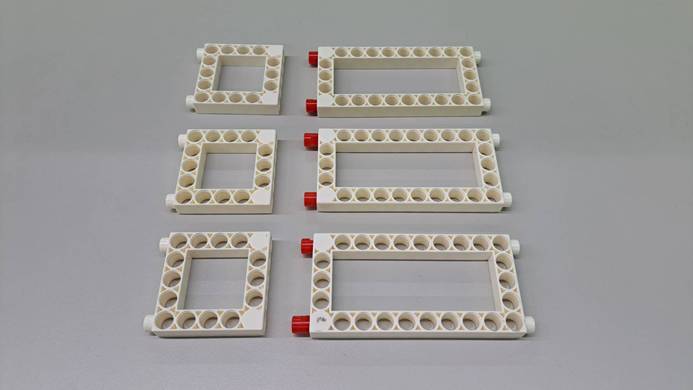
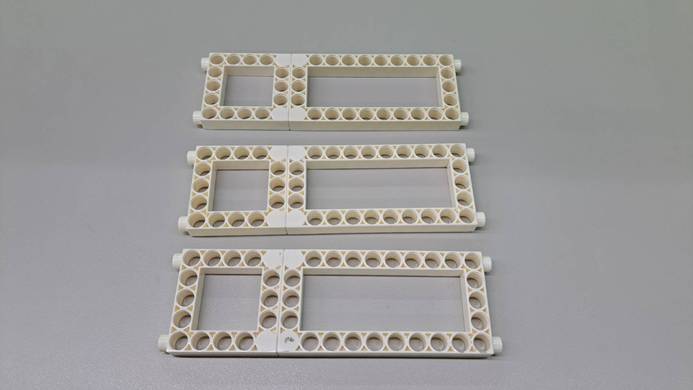
2. After completing the connection, place the C-15 HOLE DUAL ROD and the C-5 HOLE DUAL ROD on the left and right sides. Please note that the first hole of the C-15 HOLE DUAL ROD will protrude out.
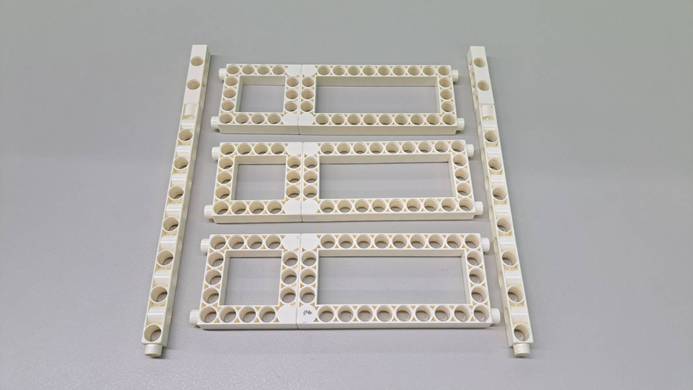
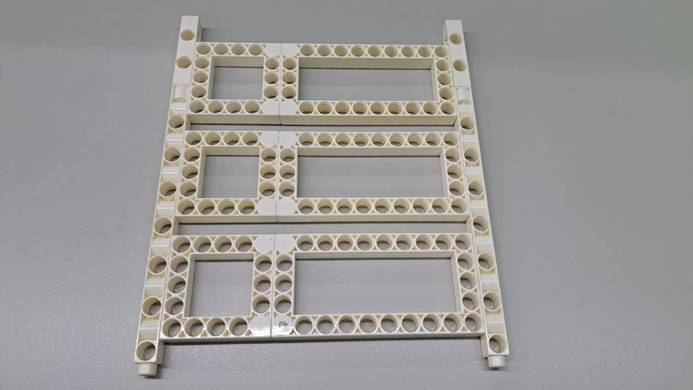
3. Place the C-HINGE on the first hole of the C-15 HOLE DUAL ROD and combine it with the main structure!
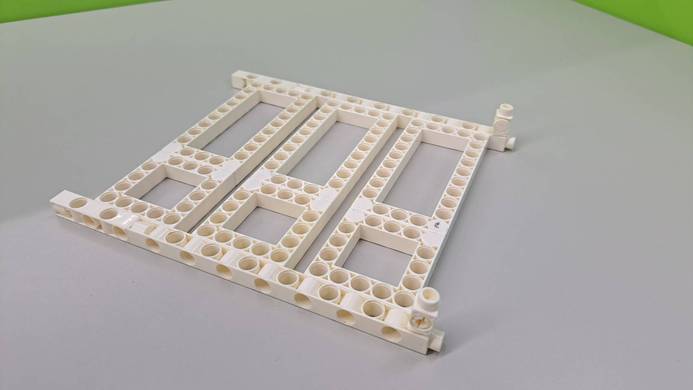
Support Frame
The following is a list of components required for the support frame.
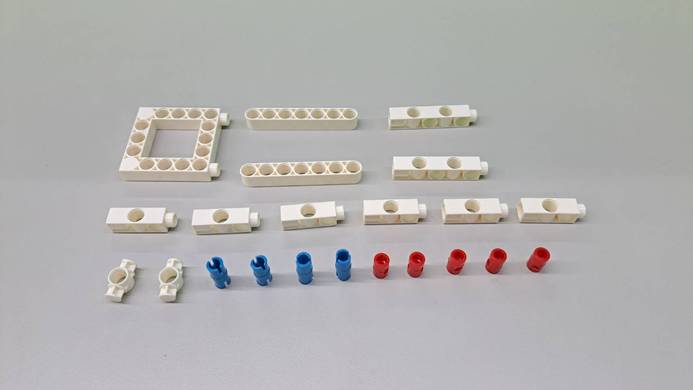
1. Finally, we come to the most important support frame. Pay attention to the connection direction of the C-5 HOLE DUAL ROD and the C-3 HOLE DUAL ROD in the picture. Only with the correct direction can the C-5×5 FRAME be used to connect the three holes!
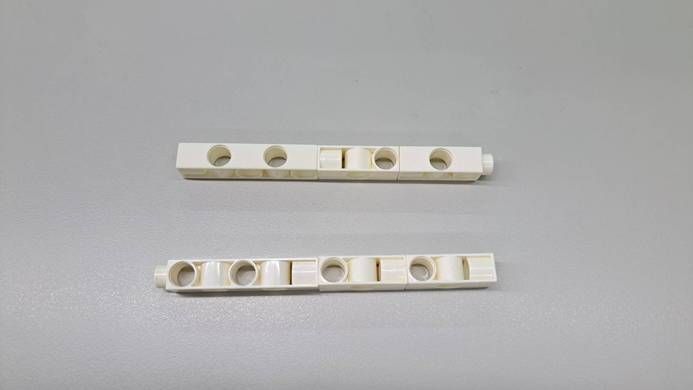
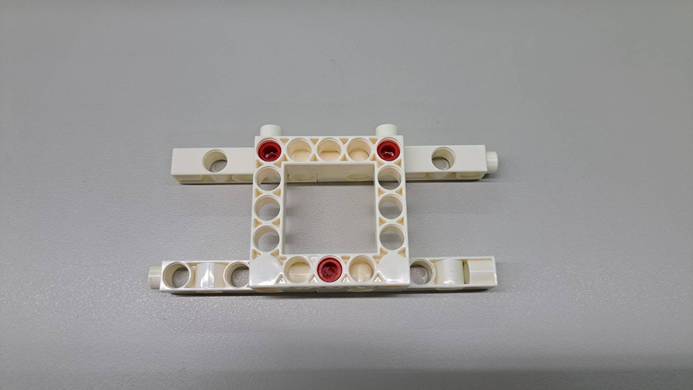
2. After completion, connect the left and right sides with C-7 HOLE ROUND ROD.
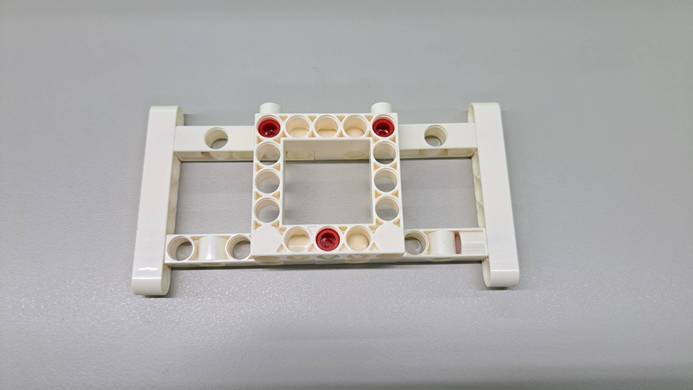
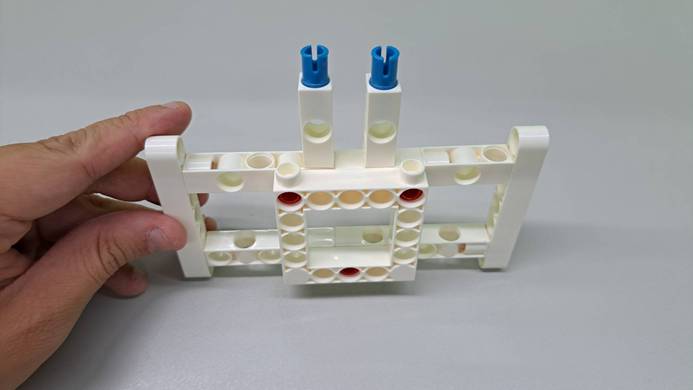
3. Stand the assembly up and place the C-3 HOLE DUAL ROD and the C-AXLE CONNECTOR in the two middle holes.
Other combination pegs are also acceptable, but the C-AXLE CONNECTOR has the best locking effect.
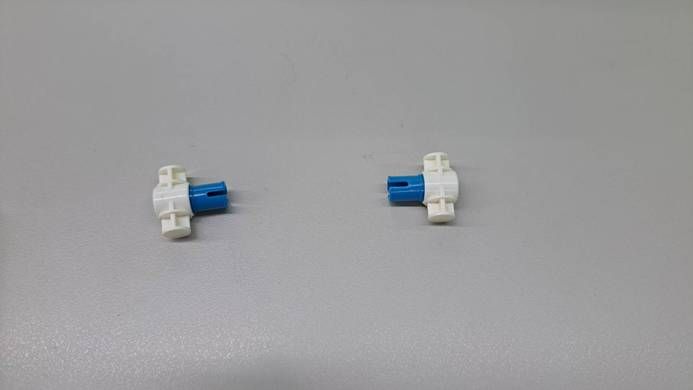
4. Prepare two C-1 HOLE CONNECTOR, place the C-AXLE CONNECTOR to the left and right respectively, and finally connect them with the C-7 HOLE ROUND ROD.
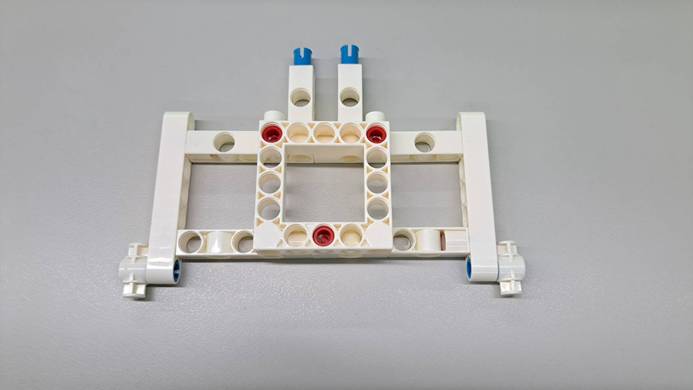
5. Finally, place it on the base, and it will be done at the position of the second row of C-5×5 FRAME!
★How to play
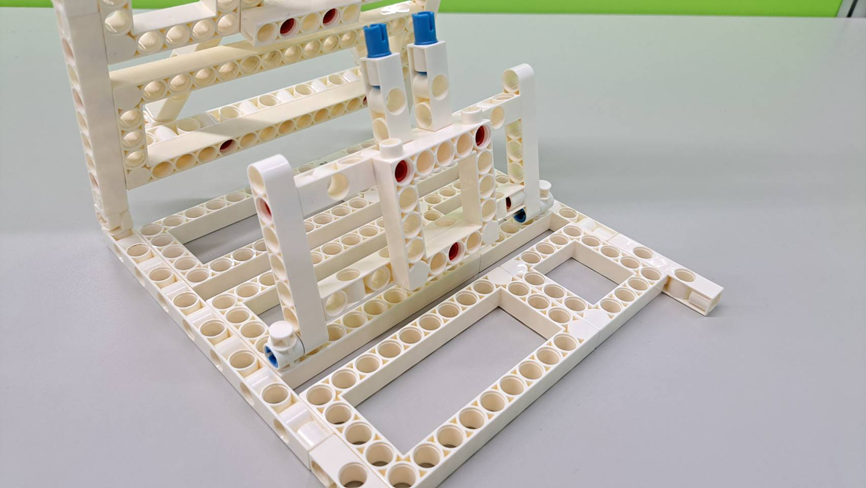
Place your e-book reader, tablet or book on the platform and secure it with the swivel clip.
The support frame can be stuck in different grooves to achieve different reading angles.
★ Scientific Principles
This model is based on the scientific principle of structural mechanics, specifically the triangular structure, which is commonly found in everyday life. Among all geometric shapes, the triangle is the most stable. Its mechanical advantage lies in its ability to evenly distribute force across its three sides and angles, allowing it to bear loads much heavier than its own weight without deforming. Triangular structures are widely used in real-world applications, such as in houses, truss bridges, camera tripods, and large construction machinery.
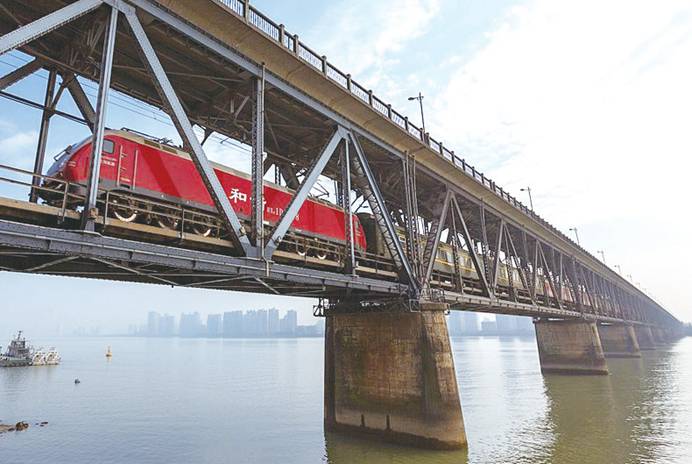
The truss bridge uses multiple interconnected triangular structures to enhance its stability.
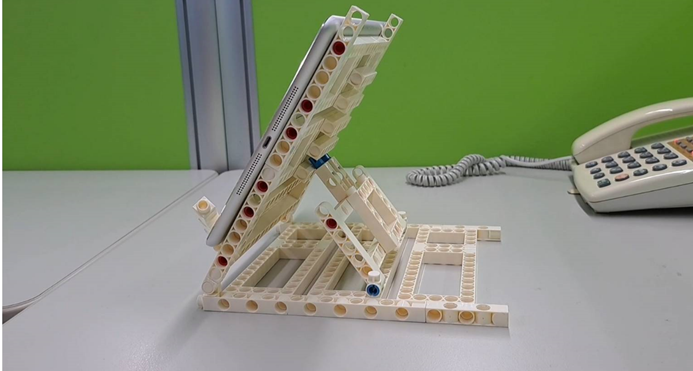
In this model, when the C-AXLE CONNECTOR of the support frame locks into the groove on the back of the platform, the support frame, base, and platform together form a triangular structure. This design helps stabilize the weight of the object and prevents the structure from collapsing.
★Postscript
When designing structures, we often assume that more sides or larger shapes are needed to support greater forces. However, having too many sides actually requires more complex design to maintain stability. In contrast, a triangle — with just three sides — provides the most stable form, capable of supporting an entire bookshelf or even a bridge. It's truly fascinating!
There are even more creative ideas waiting for you in the Creative Treasure Box. Stay tuned for more exciting unboxings to come!
Keywords:
Bookshelf, Reading, E-Reader, Triangular Structure, Multi-Functional Reading Stand, Creative Model, Design Creation, Teacher Sloth, Gigo Blocks
★NGSS Curriculum:
- Performance Expectation: 3-5-ETS1-1: "Define a simple design problem reflecting a need or a want that includes specified criteria for success and constraints on materials, time, or cost."
- Performance Expectation: K-2-ETS1-1: "Ask questions, make observations, and gather information about a situation people want to change to define a simple problem that can be solved through the development of a new or improved object or tool."
- Performance Expectation: 3-5-ETS1-2: "Generate and compare multiple possible solutions to a problem based on how well each is likely to meet the criteria and constraints of the problem."
- Performance Expectation: MS-PS2-2: "Plan an investigation to provide evidence that the change in an object’s motion depends on the sum of the forces on the object and the mass of the object."
- Disciplinary Core Idea (DCI): ETS1.C: Optimizing the Design Solution
- Performance Expectation: MS-ETS1-4: "Develop a model to generate data for iterative testing and modification of a proposed object, tool, or process such that an optimal design can be achieved."
Please sign in to vote.